Job satisfaction and happiness have received considerable attention in recent literature, as the work landscape increasingly prioritizes and seeks to maximize employee well-being. Despite considerable extant research looking at organizational factors, individual antecedents of these desirable outcomes, such as motivation and burnout, have yet to be examined. In the present study, we seek to address this gap by applying the frameworks of the Job Demands-Resources model and Conservation of Resources theory to examine achievement motivation and emotional exhaustion (a key aspect of burnout) as predictors of job satisfaction and global employee happiness. A cross-sectional, secondary dataset sampling 844 working professionals via an Amazon Mechanical Turk survey was employed to investigate the interplay between environmental factors (i.e., work overload), individual factors (i.e., trait motivation and emotional exhaustion as a core component of burnout), and the outcomes of job satisfaction and happiness. Emotional exhaustion and anxiety motivation were negatively related to job satisfaction and happiness, while achievement motivation was positively related to them. Additionally, findings demonstrated evidence that work overload relates to job satisfaction and happiness through an emotional exhaustion statistical mediation pathway. Future researchers should confirm and expand on our findings by evaluating these relationships in longitudinal studies and more heterogeneous samples to examine temporal effects.
There is a strikingly disproportionate female-to-male ratio in diagnoses of autoimmune, neurological, and chronic pain disorders. Although biological mechanisms—such as hormonal fluctuations, X-linked genetic factors, immune modulation, and epigenetic vulnerability—are frequently proposed, no single pathway sufficiently accounts for the magnitude of this imbalance. Across diagnostic categories, these conditions share a constellation of symptoms: persistent fatigue, cognitive slowing or “brain fog,” diffuse musculoskeletal pain, gastrointestinal disturbance, autonomic irregularities, numbness, breathlessness, and dizziness. Notably, this symptom profile echoes early twentieth-century descriptions of hysteria, a diagnosis historically applied to women whose distress manifested through bodily complaints. This article does not argue for diagnostic equivalence, but rather for conceptual continuity. It considers whether contemporary conditions such as Fibromyalgia, Celiac disease, Ehlers-Danlos syndrome, Premenstrual dysphoric disorder, and Long COVID might, in some cases, represent embodied expressions of unarticulated strain within sociocultural systems that have historically constrained female agency. Drawing on theoretical frameworks and clinical vignettes, the paper explores how trauma, chronic stress physiology, immune dysregulation, and gendered role expectations intersect. It ultimately advocates for an integrative model—medical, psychodynamic, and somatic—that treats women’s symptoms as meaningful communications shaped by both biology and lived experience, rather than as evidence of defect or fragility. This perspective seeks to shift the narrative from women's bodies as "broken" to bodies expressing deeper truths that Western medicine has yet to fully understand.
Psychosocial issues such as stress, anxiety, depression, and social integration challenges are prevalent among students and significantly impact their academic performance and overall well-being. Traditional methods for addressing these issues often fall short due to their reliance on qualitative assessments and generalized interventions. This study proposes a novel approach utilizing a Fuzzy Inference System (FIS) to model and analyze these complex psychosocial dynamics. FIS, grounded in fuzzy set theory, effectively handles the inherent uncertainty and imprecision of human emotions and behaviors. The study outlines the design of an FIS that incorporates key input variables such as stress, anxiety, depression, and social integration, which are fuzzified into linguistic terms like low, medium, and high. By applying a comprehensive set of fuzzy rules derived from expert knowledge and empirical data, the system processes these inputs to generate personalized and actionable insights. The implementation of this FIS in educational settings allows for the continuous monitoring and evaluation of student psychosocial health, enabling early identification and tailored interventions for at-risk students. The study demonstrates that an FIS-based approach provides a structured yet flexible method for addressing psychosocial issues, ultimately enhancing student support mechanisms, and fostering better academic outcomes and well-being.
Within the volatile landscape of the Fourth Industrial Revolution, pervasive occupational precarity has emerged as a critical systemic stressor, catalyzed by the rapid onset of autonomous systems and macro-economic restructuring. While the deleterious effects on physiological and psychological well-being are documented, the underlying mechanisms and nonlinear thresholds through which insecurity erodes institutional vitality remain theoretically fragmented. Using a diverse, multi-sectoral cohort (N = 874), this study employs a sophisticated methodological nexus, integrating Structural Equation Modelling (SEM), fuzzy set Qualitative Comparative Analysis (fsQCA), Necessary Condition Analysis (NCA), and Multilevel Modelling (MLM) to map the multidimensional architecture of psychosocial attrition. Our findings establish that job instability functions as a potent driver of direct and mediated declines in psychosomatic equilibrium, exacerbated by fractured communication channels and heightened organizational threat perceptions. Specifically, the application of NCA identifies precise critical insecurity thresholds (3.1–3.3) that serve as tipping points for health degradation, while fsQCA reveals diverse equifinal pathways to employee vulnerability. By synthesizing these advanced analytical frameworks, this research positions job insecurity not merely as a localized concern but as a fundamental structural health hazard. Consequently, we advocate for the institutionalization of proactive monitoring infrastructures and high-fidelity early warning systems to safeguard the long-term sustainability of human capital.
Alcohol consumption remains a significant public health issue influenced by a wide range of psychosocial factors. Understanding the determinants of alcohol use is essential for developing effective prevention strategies tailored to specific populations. This study aimed to assess psychosocial determinants of alcohol consumption among adults residing in southern Poland, with particular emphasis on demographic, social, and personality-related factors. The study was conducted between December 2023 and March 2024 among 175 adults using an anonymous, author-designed online questionnaire (CAWI) covering sociodemographic characteristics, psychosocial factors, and patterns of alcohol consumption. Statistical analyses included descriptive statistics, cross-tabulations, and Pearson’s chi-square test (p < 0.05). A statistically significant association was found between gender and alcohol consumption, with men reporting higher alcohol use than women. Marital status was also significantly related to drinking behavior, with higher consumption observed among single individuals. No significant associations were identified for age, education, occupational status, income, place of residence, or family-related variables. Alcohol consumption occurred predominantly in social settings. Among respondents who had ceased alcohol consumption, the most frequently reported reasons were lack of perceived benefits and unfavorable taste. Overall, alcohol consumption appeared to be influenced primarily by psychosocial rather than socioeconomic factors, underscoring the importance of preventive strategies targeting social and behavioral determinants of alcohol use.
Although considerable research has examined student cheating, relatively few studies have examined personality as an antecedent of student cheating. Its role in career success has been established. This is the first study to examine relationships between student cheating and personality assessed using a multi-perspective approach, i.e., peer, meta-perceptions and self-personality ratings. Results suggest this approach has implications for predicting student cheating and career success. We examine the ability of other-rated Big Five personality traits to account for more variance in student cheating and report cheating than self-rated personality ratings. Online surveys of 121 business college students and 357 other raters provided ratings of six personality traits, cheating attitudes, cheating behavior and reporting cheating. Regression and correlation analysis examined relationships between cheating and personality traits via a multi-perspectives approach: traditional self-ratings, meta-perceptions (how individuals think others view them), and other ratings. Our findings are consistent with the substantial literature demonstrating that personality ratings by others have stronger validity than traditional self-ratings. Specifically, others’ ratings of peer personality traits and meta-perceptions accounted for additional variance in cheating behavior and reported cheating beyond traditional self-ratings. Consistent with virtually all studies of deviant behavior, conscientiousness was highly significant for cheating behavior and report cheating and marginally significant for attitude. Similarly, emotional stability was significant for cheating behavior and report cheating. These findings suggest the use of multi-perspective personality measures to predict outcomes such as cheating behaviors, as previous research has shown college cheating is associated with cheating at work and dysfunctional career consequences.
The use of social media platforms has increased among university undergraduates, and the fear of missing out may be a likely underlying factor in this increase. There is, however, a paucity of empirical research addressing whether these variables predict life satisfaction among university undergraduates. The study assessed the predictive influence of social media use and fear of missing out on life satisfaction among university undergraduates in Nigeria. An ex post facto design was used. Data were collected from 358 undergraduates (Male = 46.1%, Female = 53.9%) who completed self-reporting assessments: the Satisfaction with Life Scale (SwLS), Fear of Missing Out (FoMO), and Social Media Use Scale (SMUS). Data were subjected to descriptive and inferential analyses. The study results showed that both social media use (β = −0.25, p < 0.001) and FoMO (β = −0.29, p < 0.001) predicted lower life satisfaction. Age and gender also predicted life satisfaction, with gender (β = 0.33, p < 0.001) a significant predictor, while age was not. The independent-samples t-test showed that male undergraduates reported significantly higher life satisfaction than female undergraduates (d = 0.69). In contrast, female undergraduates reported higher FoMO (d = 0.49), and both genders showed equal social media use. The research demonstrates that FoMO and social media use patterns are essential psychological factors that impact the rating of life satisfaction through likely digital social pressure experiences across genders. The study emphasises the need for interventions that address FoMO while teaching undergraduates better digital behaviour, as these measures will help them achieve higher life satisfaction.
Teaching spelling is particularly challenging for children with, or at risk for, Specific Learning Disabilities (SLD). The present study examined the effectiveness of a structured instructional intervention designed to improve spelling skills, vocabulary knowledge, and morphological awareness (MA) in Greek third-grade students receiving special education support. A pretest–intervention–posttest experimental design was implemented, with a total of 72 students randomly assigned to either an experimental group (n = 39) or a control group (n = 33). The four-week intervention was based on principles of Direct Instruction with systematic scaffolding and incorporated a modified version of the Morphological Processing Spelling Approach (MPSA). Standardized measures of spelling, MA and vocabulary knowledge were administered before and after the intervention to assess students’ progress. Results from repeated-measures ANOVAs showed that students in the experimental group demonstrated significantly greater improvement than those in the control group in text-level spelling, grammatical and historical spelling. Improvements in isolated word spelling were comparable across groups. Regression analyses further indicated that neither MA nor vocabulary knowledge predicted spelling performance at the baseline level. Overall, the findings provide strong support for the effectiveness of structured and direct instruction for enhancing spelling development among children at risk for or with SLD, highlighting its value regardless of their initial competence.
To advance the empirical study of spiritual transformation, this article offers a two-part investigation into the lived experience of kensho spiritual awakenings. The first study applies grounded theory to in-depth interviews with 13 participants who underwent kensho experiences during facilitated retreat settings. The analysis identified three inductively derived categories—(1) inner peace, (2) big release, and (3) heightened senses—each encompassing affective, cognitive, and somatic dimensions of awakening. The second study employs fuzzy-set qualitative comparative analysis (fs/QCA) to examine the causal configurations associated with two central outcomes: inner peace and trusting in the unknown. The inner peace configuration included karmic processing, heightened sensory awareness, and inner guidance, while the trust configuration involved sensory awareness, inner guidance, and physical sensation. These findings indicate that spiritual awakening is not solely a cognitive realization but an embodied and relational reconfiguration of experience, emerging through the interaction of somatic intensity, attentional processes, and intuitive orientation. Importantly, the results highlight overlooked dynamics in the awakening process, including the role of simplicity as a core experiential feature, the epistemic significance of sensory awareness, and the function of karmic activation in facilitating transformation. By integrating grounded theory and QCA, this study offers a methodologically innovative and conceptually nuanced contribution to transpersonal psychology and contemplative science.
People have been studying the characteristics of scientists for more than 100 years. Some related studies have drawn on concepts and methods from fields such as psychology, cognitive science, ethics, and behavioral science, proposing certain incomplete perspectives. However, systematic research in this area remains insufficient to date. Based on a literature review and theoretical analysis, this study integrates research findings from modern psychology, cognitive science, ethics and moral science, and behavioral science to propose a systematic theoretical framework for the character of a scientist. The study introduces a novel definition of these traits, elucidates their constituent elements, and establishes a theoretical model for describing the characteristics of scientists. This paper also discusses the close connections between the scientist model and the Big Five Personality Model, Rational Cognitive Style Theory, Schwartz Value Theory, and Habit Behavior Theory, as well as the relationships among the various dimensions of the model. The proposal and dissemination of the scientist character theory will facilitate the objective selection of future scientists and researchers, as well as the acquisition and enhancement of their scientific research skills, ultimately advancing the progress of scientific research. Simultaneously, it may exert positive potential impacts on science communication, public understanding of science, and the development of scientific culture and science education.
The relationship between food consumption and emotional sensitivity has attracted considerable attention recently. This study aimed to examine the impact of routine consumption of a flavored jelly beverage on performance in a video game task. We included 19 healthy Japanese male participants aged 20–44 years. Using normalized γ-wave power values and an emotional state estimation model based on electroencephalography, we found that the routine consumption of flavored jelly beverages increased γ-wave power, which may be related to arousal. During the pre-performance quiet period, the winning group exhibited a lower positive probability in the emotional state model than the losing group, suggesting that reduced positive emotional states may enhance performance. Similarly, the routine group demonstrated a low positive probability, which aligns with the emotional state of the winners. After the task, the winning group exhibited decreased γ-wave power, which may reflect reduced arousal and a calmer emotional state. Our findings suggest that optimal performance is associated with a low positive probability, which may be linked to arousal-related emotional states. Routine consumption of a flavored jelly beverage may induce this low positive probability. Thus, this study established a correlation between flavored jelly beverage intake and emotional sensitivity, which could contribute to the development of foods that are not only enjoyable and healthy but also enhance overall well-being, including mental health.
by Meredythe Q. Galliher, John J. Sollers III, Ashley Membreno Lopez, Bayan Haseem, Danielle May, Margaret J. Fryman, Janeishka Torres Rivera, Camrynn Cutchin, John Sollers IV, Mary Wood, Camela S. Barker, Cara Green, Jonathan Livingston, Christopher L. Edwards
Sickle cell disease (SCD) is a chronic hematologic condition characterized by recurrent pain crises that contribute to psychological distress and activity avoidance. The fear of movement due to anticipated pain (Kinesiophobia) has been identified as an important factor within chronic pain literature, yet it is an underexplored factor within chronic pain conditions like SCD, particularly in relation to psychological symptom expression. The present study examined whether age and kinesiophobia are associated with symptom dimensions of somatization, anxiety, and specific phobia in adults with SCD. Participants (N = 100–102) were recruited from a medical center in North Carolina, where they completed the Tampa Scale of Kinesiophobia (TSK) and the Symptom Checklist-90-R (SCL-90-R). Hierarchical linear regression analyses were utilized to assess the predictive value of age and kinesiophobia across symptom domains. In any model, age did not emerge as a significant predictor. The inclusion of kinesiophobia significantly improved the somatization model, accounting for an additional 7.3% of variance, and emerged as a statistically significant predictor, β = 0.255, p = 0.011. Conversely, neither age nor kinesiophobia emerged as significant predictors of anxiety or specific phobia in this sample. The findings suggest that kinesiophobia may be more specifically associated with somatic symptom expression rather than broader domains of psychological distress in individuals with SCD. Further research is needed to examine the mechanisms that underlie this relationship and to determine if targeting kinesiophobia in this population may improve clinical outcomes.
The aim of the present study was to examine the impact of conceptual transparency of mathematics manipulatives used in instruction on the learning of place-value concepts in typically developing second graders (n = 88) and those at-risk for mathematics learning disabilities (n = 29). We randomly assigned the children of each classification to three instructional conditions that varied according to the extent to which place-value concepts were made visible in the objects’ perceptual features. In one condition, the ten and hundreds denominations were already grouped and the ones were visible in each denomination; in the second condition the denominations were already grouped but the ones were not visible; in the third condition, we provided children with individual beads that could be attached in groups of tens and hundreds. We assessed the accuracy of the children’s representations of two- and three-digit numerals using manipulatives and their place-value knowledge on symbolic tasks. Contrary to our expectations, we found that the manipulatives requiring children to construct their own denominations were related to gains in the accuracy of the physical representations, but not to gains on the symbolic measures. We speculate that the actions involved in constructing the denominations provided opportunities for children to encode the materials’ salient features in ways that led to the greatest benefits. We suggest that teachers ensure that students encode manipulatives used during instruction in meaningful ways.
This research examines the intricate connections among Endurance, Variety, Aggressiveness, and Intuition through the Facet, Insights, Knowledge and Resilience (FIKR) personality evaluation system. All 409 participants in this research performed a personality assessment tool that was designed according to FIKR. Correlation among attributes was tested for strength and direction through correlation analysis. Statistically significant associations among attributes existed for personality traits. Endurance was highly associated with Extroversion, Achievement, and Intellectual traits, but Aggressiveness was positively associated with Support, Analytical Ability, and Intellectual tendencies. Intellectual and analytical capacity was highly associated with Intuition, which signifies efficiency in cognitive-emotional integration. The intricate nature and interrelation among personality traits illustrate the requirement for holistic and integrative psychological assessment and intervention. This study also identifies pertinent patterns among the interrelations among attributes and demographic variables, which could be used for developing customized psychological interventions to promote well-being, resilience, and adaptive functioning. This study highlights the intricate interrelation among personality traits, thereby promoting enhanced use in psychotherapeutic, educational, and occupational settings. These theoretical connections serve as a vital framework for psychologists and practitioners, allowing them to shift their focus toward the promotion of psychological well-being and the development of adaptive behaviours. By identifying these links, professionals can move beyond a deficit-based model to one that reinforces human resilience. However, to truly generalize these findings and construct more comprehensive psychological theories, researchers must investigate these interactions across a wide spectrum of individuals and cultural contexts.
Holistic wellbeing has gained increasing attention across health, organizational, and educational contexts, reflecting its multidimensional and context-dependent nature. The 7 Dimensions of Holistic Wellbeing (7DHW) framework conceptualizes wellbeing as the dynamic interplay between self-esteem, body image, social relationships, environment, meaningful work, health knowledge, and a sense of future. While prior research has focused on the theoretical development and initial validation of the 7DHW model, limited attention has been given to participants’ perceptions of holistic wellbeing education grounded in this framework. This study explores participants’ opinions and feedback regarding a holistic wellbeing course based on the 7DHW model. Using a cross-sectional, exploratory design, data were collected via an online questionnaire that included both quantitative and open-ended items. The instrument assessed perceived relevance, thematic interests, preferred learning formats, and motivational and contextual factors influencing participation. Findings indicate a high perceived relevance of holistic wellbeing training, with strong interest in stress management, work–life balance, emotional communication, burnout prevention, and self-care. Participants favored flexible and interactive formats, including short videos, interactive modules, and live sessions. Qualitative insights reveal that engagement is shaped by the interplay of intrinsic motivation, time constraints, and organizational support. Overall, the results highlight that the effectiveness of holistic wellbeing programs depends not only on theoretical grounding but also on perceived relevance, accessibility, and alignment with participants’ lived experiences. This study provides evidence-informed insights to guide the design and implementation of holistic wellbeing courses grounded in the 7DHW framework.
Each of the six branches of the United States Armed Forces requires individuals that are new to the military to attend and successfully complete an entry-level training course, commonly referred to as basic training or boot camp. These courses feature physical and psychological challenges that must be overcome if a recruit (trainee) is to graduate and pursue a military career. Although the specific location, length, training exercises, and criteria for evaluation will differ by the chosen branch, characteristics such as a high level of physical fitness and psychological readiness can facilitate success for a civilian who is embarking on the difficult journey of becoming a service member. A military mindset is not an inborn trait; it is a trainable adaptation produced through disciplined exposure to challenge, stress regulation, habit formation, identity transformation, and purposeful socialization into a mission-driven culture. Such a mindset may be described as mental fitness or mental readiness for duty. Specific physical demands may vary by branch and military occupation due to differences in purpose and scope, but universal psychological components, including resilient persistence (grit) and stress tolerance, emotional regulation, mindfulness (task-focused attention), self-discipline, coachability, confidence through mastery, growth-oriented thinking, adaptability, an attitude for teamwork, and purpose-driven commitment can help any enlistee be prepared to overcome the challenges of entry-level military training. This article addresses critical theoretical foundations and important psychological components that can facilitate success for a (prospective) recruit of any branch of service.
All the publications will be archived by the PKP Preservation Network for long-term electronic preservation.
Authors are encouraged to self-archive the final version of their published articles into institutional repositories (such as those listed in the Directory of Open Access Repositories).
Authors are also encouraged to use the final PDF version published on the website of Academic Publishing.
Academic Publishing insists on taking academic exchange and publication as the main line, carrying out comprehensive management based on science and technology, and fully exploring excellent international publishing resources. Within 5 years, it will form a strategic framework and scale with science (S), technology (T), medicine (M), education (E), and humanities and arts (H) as the main publishing fields. Academic Publishing is headquartered in Singapore and based in Malaysia, with the United States and China providing the main scientific and academic resources. At the same time, it has established long-term good cooperative relations with other publishing companies, scientific research communities, and academic organizations in more than a dozen countries and regions. Academic Publishing uses English and Chinese as its main publishing languages, mainly publishing books, journals, and conference papers in print and online. The vast majority of publications follow the international open access policy, providing stable and long-term quality and professional publications. With the joint efforts of the expert team and our professional editorial team, our publications will gradually be indexed by international databases in stages to provide convenient and professional retrieval for various scholars. At the same time, manuscripts we accept will be subject to the peer review principle, and cutting-edge and innovative research articles will be preferentially accepted for peer reference and discussion. All kinds of our publications are welcome for peer to contribute, access, and download.
Multidisciplinary environmental psychology studies the dynamic link between humans and their natural and manmade settings. This thorough study synthesises 443 works from 1963 to 2024 on topics such as physical surroundings’ effects on behaviour, environmental stressors, pro-environmental behaviour, and applying psychological theories to environmental interactions. This literature is synthesised to identify patterns, themes, and future directions. Growing environmental concerns and the need for sustainable development have changed the profession. Green areas have been demonstrated to boost mental health and reduce stress. Nature helps mental exhaustion recuperation. Hospitals and workplaces’ design and structure affect health and productivity. Walkable, green urban development improves citizens’ well-being and promotes sustainable living. Environmental stresses including noise, pollution, and overpopulation harm mental and physical health. Children exposed to noise pollution are more likely to develop cardiovascular illness and cognitive deficits. Anxiety and despair caused by climate change are also becoming more apparent. Pro-environmental behaviour is emphasised, with notions like planned behaviour and community-based social marketing working. Behaviour interventions using social norms and feedback have decreased energy and waste. Personal values-driven intrinsic motivation promotes long-term behavioural change better than extrinsic incentive. Environmental psychology uses surveys, experiments, and mixed-methods research. Virtual and augmented reality provide for environmental simulations and psychological studies. Good health and well-being, excellent education, sustainable cities, responsible consumerism, climate action, and living on land are among the field’s major contributions to the UNSDGs. Environmental psychology will help establish sustainable and healthy settings that correspond with the UNSDGs as environmental issues grow.
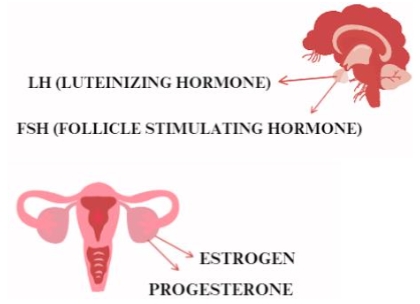
The menstrual cycle has attracted the interest of many researchers for many years. It is analyzed from many angles, including its impact on mental health. Hormonal changes over the course of the cycle have a very strong impact on the emotions, needs, or pain experienced. Estrogen, secreted shortly before ovulation, influences increased confidence and feelings of attractiveness, which can lead to new relationships. In contrast, progesterone, secreted during the luteal phase, promotes the strengthening of stable relationships, and a large proportion of women may experience premenstrual syndrome (PMS) during this time. This publication discusses studies from recent years that have assessed the variability of women’s needs and emerging symptoms during different phases of the cycle. It also summarizes any strategies and practical tips needed to work with women considering their cyclical variability.
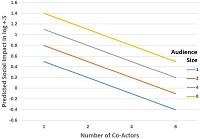
This experiment examined the influences of number of co-actors and audience size on manual dexterity task performance and subjective reactions such as perceived effort and arousal. Predictions derived from social impact theory and the self-attention perspective’s other-total ratio indicated that both number of co-actors and audience size should influence responses. Undergraduate students (N = 128) responded as 1, 2, 4, or 8 group members who were observed in counterbalanced fashion by 1, 2, 4, or 8 audience members for four performance trials. The predictions of increased task performance with larger audience sizes and decreased performance as number of co-actors increased were not supported. Participants’ rated arousal was somewhat consistent with the predictions from the self-attention perspective and social impact theory. Self-reported effort was consistent with the predicted patterns, but not always significantly so. The influence of number of others is moderated by the objective-subjective nature of responses of real co-actors performing in front of live audiences.
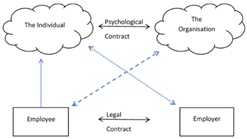
The level of research undertaken on the academic psychological contract, and its influence on academics’ behaviour is limited. This paper seeks to consider the academic psychological contract, by reviewing its manifestation within the role and the influence on their undertaking of the role. Particularly important is academics’ interpretation of the role and what they consider important. Within this, the paper considers in-role and extra-role activities and what may be the grey areas in which time is spent. The research adopts the combined usage of phenomenology with interpretivist processes to investigate the insights of eighteen academics at nine UK University Business Schools. Semi-structured interviews were used to collect data to consider the constructs’ manifestation. Key aspects of behaviour were identified as discretionary effort autonomy and managerialism, with links to academic citizenship.



 Open Access