This volume bridges critical gaps in understanding human adaptation within rapidly evolving social and institutional landscapes. Groundbreaking work reveals how academic citizenship emerges from psychological contracts in higher education, reframing workplace dynamics amid sectoral pressures . Simultaneously, studies capture pandemic-exacerbated neurodiversity challenges, with ADHD symptomatology severity doubling during remote-work transitions . Cross-cultural insights expose social media’s polarizing impact on Global South youth mental health—amplifying cyberbullying and FOMO while offering community support . Innovative lenses also reconceptualize migration agency through noun-driven identity frameworks and decode organizational change resistance via external locus-driven efficacy interventions . Collectively, these multidisciplinary advances illuminate resilience pathways across education, workplaces, and digital ecosystems.
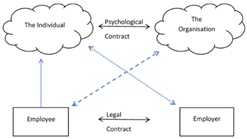
Many would argue that much of the higher education sector is reliant on goodwill, including the willingness to work with and support colleagues in the fulfilment of the fundamental roles associated with being an academic, this research suggests that a fundamental part of this is reliant on how the individual’s psychological contract manifests into academic citizenship. Research into the psychological contract of academics is limited. Similarly, there is also limited research into the concept of academic citizenship. This paper considers the concept of academic citizenship through the lens of the psychological contract, suggesting the notion of academic citizenship is borne out of the employment in and the perception of the academic role. The research made use of an interpretivist design using a series of semi-structured interviews. Following a qualitative base the study draws on the lived experiences of eighteen Business School academics across nine Universities. Using thematic analysis to draw out key themes and linkages, the research provides an overview of the employment relationship with employers and colleagues. The paper provides an understanding of individual behaviour in the workplace which is crucial to effective performance management and employee engagement. As such this paper contributes to understanding academics within the workplace and their responses to the behaviour of others. The research brings together two constructs which have not previously been considered, noting the inter-relationship between the two.
In this study; we analyzed the relationship between U.S. workers’ reported levels of ADHD symptomatology and the impact of pandemic conditions on symptomatic impairment and the estimated prevalence of Adult ADHD. We compared data from the Adult ADHD Self-Report Scale Screener (ASRS) collected during the pandemic with data from two pre-pandemic studies. Our findings indicate that during the pandemic; mean impairment scores on all six ASRS items increased; leading to a predicted rise in the Adult ADHD diagnosis rate to 9.26%; compared to the pre-pandemic estimate of 4.4%. These results suggest that more adults experienced significant ADHD-related challenges during the pandemic. As organizations continue to implement remote work and other pandemic-related changes; it is important to consider the unique difficulties that neurodiverse workers; particularly those with ADHD; may face in adapting to these new work environments.
Divorce has increased dramatically in recent decades. Many separated parents adopt the “bird nesting” technique, where the parents rotate on a weekly basis in the family home, allowing the children to remain in their familiar environment. Thus, the present study investigated the correlation of “bird nesting” with the parents’ mental resilience. For this purpose, questionnaires were used on a sample of 99 parents who have divorced in the last 2 years, where they were asked about their demographic characteristics as well as questions related to the use of the “bird nesting” technique and mental resilience. The results showed that no statistically significant difference was found in mental resilience between parents who apply and do not apply the “bird nesting” technique. Overall, the present research did not find a relationship between the use of the “bird nesting” technique and the mental resilience of divorced parents. It is possible that the relationship is affected by various factors, such as the duration of the divorce, the age of the children, the financial situation, the existence of new partners, etc.
The present research looks at the effects that social networks use has on the mental health of young users aged between 18 and 25 in the case of Pakistan. Given that social networking sites are becoming more prevalent in the country, there is a growing concern regarding the adverse effects of these sites on the youth. The interviews have been conducted to examine the effects of social networking sites on mental health among the rural and urban population of Pakistan. This study highlights several problems such as social comparison, cyberbullying, sleep disorders, and social media benefits. Social comparison is an issue that social media elevates, as many young adults see posts of others living their desirable lives, wishing to live the same. Trying to live up to such expectations creates pressure within the youth, leading to feelings of insecurity, low self-esteem, and anxiety. Another issue is cyberbullying, which is harassment that many young adults experience online, which further affects their psychosocial well-being. The study also shows that social media use, mainly the ones used late at night, does result in sleep disturbances and higher stress levels, mainly attributed to Fear of Missing Out (FOMO). However, social media is helpful for adolescents. In many young adults, social media allows the sensation of existence, offers supportive speech, and is even helpful for self-presentation. Some of them also pointed to the reasons why they use social networks: they like to communicate with people who think alike or look for content related to mental disorders, which makes them feel not so lonely. Nonetheless, in the research, the Pakistani cultural environment is equally valid, where self-esteem, honor, and social recognition count more. Even these cultural frameworks may be of greater interest than learning about young people’s use of social media networks and how this social networking shapes the adolescent youths’ approach to mental health and how they connect with their peers virtually. More crucially, the findings of this study improve our understanding of the threats and positioning of social networks as well as making suggestions on how the social network misuse can be managed. The research attempts to raise these issues in order to alleviate the harmful effects of social media but also enhance its positive role among the mental health of Pakistan’s youth.
Migrate as a verb represents a process where providing social services to migrants reduces their instability and discomfort with providers inclined to pity or fear migrants. Consequently, migrants learn to form negative views of themselves, decreasing their mental health. Considering migrate as a verb neglects the noun to whom or to which the migrant is heading—a person, place, thing, event, or idea. Viewing migration as noun-dependent, the migrant is potentially identifiable as self-directing their migration and seeking aid. This study examines examples of the five types of nouns migrants may conceptualize to guide their migration in a narrative review of Google Scholar search results of “[noun-type] to which [whom] migrants head in their migration” for each noun type regarding the four relevant highest returned post-2020 reports. Examining migrant mental health considers a 2023 systematic review regarding place. The purpose is to investigate the social services applicable to migrants if ultimately self-directing (or not) regarding coping theory, contrasting problem-focused with emotion-focused coping. Viewing such migration nouns as essential migration signifiers encourages migrants’ favorable identification. In recognizing the intended self-direction of the migrant, their mental health is improved and is supportable through relevant and appropriately available social services.
Modern organizations often face challenges implementing initiatives due to the rapidly changing business landscape and encountering internal obstacles like resistance and delays. This research examines the application of the internal and external efficacy model and its effect on resistance to change in work organizations by raising self-efficacy and means-efficacy (a person’s belief in the ability of the tools available to him to perform the task). Raising the two types of efficacies creates a Pygmalion effect in which high expectations for successful performance encourage the investment of efforts; therefore, ultimately, they will lead to more successful performances. In addition, since individuals with an external locus of control place a higher emphasis on resources that are external to them, the moderating effect of the degree of locus of control on the relationship between means-efficacy and resistance to change was studied. The study that included 138 participants was conducted in a logistics and international forwarding company in Israel and examined a change in learning method from face-to-face learning to an asynchronous learning module. During the study, the level of self-efficacy and means-efficacy of participants was raised, and the level of resistance to change and the level of locus of control as a personality trait were measured. The study showed a distinct effect of increasing self-efficacy on the degree of resistance to change (t = −1.66, p < 0.05), but no significant effect of increasing means efficacy on resistance to change was found (t = −0.87, p > 0.05). The effect of means-efficacy on the degree of resistance was found to be moderated by locus of control (t = −2.3, p < 0.05), meaning that those who had an external locus of control were more impacted by the increase in means-efficacy. This means that people with an external locus of control are more affected by means-efficacy than by self-efficacy.
Background: Burnout, recognized by the World Health Organization as an occupational phenomenon, is prevalent among health workers, including pharmacists. It results from prolonged work-related stress, leading to cumulative emotional exhaustion that can impair cognitive, emotional, and behavioral responses. This can adversely impact interactions with coworkers and clients, posing risks to patient safety. In Lebanon, the compounded effects of the ongoing economic crisis and recent conflicts may have intensified burnout across all sectors, particularly among healthcare professionals such as pharmacists. Objectives: This study focused on Lebanese pharmacists to evaluate how the economic crisis and ongoing conflicts influence burnout levels and to explore associations between burnout and sociodemographic and work-related characteristics. Methods: A cross-sectional survey was conducted with 277 pharmacists in Lebanon from July to October 2024. Data were collected through a structured self-reported questionnaire focusing on sociodemographic information, work-related factors, and burnout symptoms. Data were analyzed using descriptive and inferential statistical methods. Results: Of the pharmacists surveyed, 24.2% reported experiencing burnout, 35.4% expressed frustration with daily tasks, and 30.0% felt overwhelmed by work responsibilities. Burnout was more prevalent among pharmacists aged 25 to 35, those who were single, participants with a perceived lower-than-average economic status, and those working over 40 h per week. Additionally, pharmacists with six to ten years of experience reported higher burnout levels than those with over ten years of practice. Conclusion: Findings underscore the significant impact of sociodemographic and economic factors on burnout levels among pharmacists in Lebanon. Significant associations were found between burnout and age, marital status, economic status, years of experience, and weekly working hours. Targeted interventions to manage stress and prevent burnout are essential to promote workforce stability and uphold healthcare quality during crises.
Objective: This study investigates the psychological mechanisms through which 5-methoxy-N, N-dimethyltryptamine (5-MeO-DMT) influences mental health outcomes, with a focus on fear confrontation, emotional release, and intergenerational trauma. Design: A qualitative methodology was employed, combining grounded theory and qualitative comparative analysis (QCA). Fourteen individuals who had participated in 5-MeO-DMT-assisted sessions were interviewed. Data were analyzed using axial coding to identify thematic categories, and QCA was used to determine key conditions contributing to mental health improvement. Results: Three core thematic clusters emerged: (1) fear and letting go; (2) mental health improvements; and (3) healing and love. QCA identified five conditions most strongly associated with positive outcomes: trust and letting go, emotional release and catharsis, healing the inner child, the use of psychedelics as therapeutic tools, and interpersonal healing within parent-child relationships. Contrary to clinical portrayals of fear as a negative side effect, participants described fear as therapeutically productive—functioning similarly to exposure therapy. Emotional catharsis and somatic release were consistently reported as essential components of psychological healing. Conclusions: Findings indicate that 5-MeO-DMT facilitates deep psychological transformation by engaging core affective and relational processes. Fear, emotional release, and intergenerational insight were not incidental but central to therapeutic change. Implications: This study contributes new theoretical insights into the role of challenging affective states in psychedelic therapy and supports the integration of transpersonal, somatic, and trauma-informed approaches. It underscores the value of 5-MeO-DMT as a potent, though understudied, tool for addressing complex psychological suffering.
The overall objective of this research is to identify the processes responsible for the effect of spiritual well-being on therapeutic adherence in the case of HIV. Empirical research shows that spirituality helps individuals cope with difficult life events by giving them meaning and that it offers a particularly helpful course of action on a daily basis. It is also known that coping style in chronic diseases that require long-term treatment is associated with or not with therapeutic adherence. A total of 132 HIV-positive people were recruited as part of their systematic medical consultation related to the follow-up of HIV infection in the Infectious and Tropical Diseases department of the CHU of Amiens-Picardie, France. The questionnaire consisted of three scales: The spiritual well-being scale, a compliance scale, and a specific coping scale, the CHIP. The results show that the search for well-being, distraction, palive coping, and avoidance mediate the relationship between spiritual well-being and therapeutic observance. This research concludes with a set of recommendations for my health care professionals, based on the results obtained. Patients can be encouraged to have “confidence in the future” by offering them the opportunity to make “future plans” (as a form of distraction), by encouraging them to “dream about pleasant things” (a cognitive avoidance strategy), by inviting them to “pay attention to their bodily sensations and listen to their body” (palliative adaptation), or by helping them reflect on the meaning they attribute to their life, focusing on what seems important to them (spirituality). This relationship between spirituality (spiritual well-being) and the different dimensions of adaptation (measured using the CHIP scale) allows for the definition of relevant sub-dimensions aimed at improving compliance.
The importance of understanding the adaptation of international students is particularly relevant to the expansion of the internationalization of higher education. This paper examines various psychosocial features with regard to the intercultural relations of international students (IS) in Portugal. This country is receiving an increasing number of IS. Two key components of intercultural relations are acculturation and adaptation. As regards the acculturation process, we examine studies on cultural identity, acculturation strategies, and perceived discrimination. As regards psychological adaptation, we examine studies on several indicators of subjective well-being (overall well-being, satisfaction with life, satisfaction with academic life, satisfaction with migration life), and loneliness. Finally, it is reviewed research on sociocultural adaptation. This set of reviewed studies on international students is consonant with the perspective that most migrant people adapt well in the society of settlement, notwithstanding the difficulties found across the intercultural contact. A relevant contribution to the acculturation field was the demonstration that sociocultural adaptation difficulty fully mediated the relationships of perceived discrimination and two indicators of psychological adaptation, satisfaction with life and loneliness. This underlying relationship of perceived discrimination with psychological adaptation means that programs to decrease sociocultural adaptation difficulties among international students may help to improve their psychological adaptation. Several other practical recommendations can be drawn from this set of studies.
Background: Foreign employment is a key livelihood strategy in Nepal, contributing to economic stability through remittances. However, it also imposes social costs, affecting the mental health and psychosocial well-being of migrant workers and their families. This study evaluates a mental health and psychosocial support project, assessing its progress and impact on interventions aimed at improving overall well-being. Methods: A midterm evaluation was conducted using a cross-sectional study design with a mixed-methods approach. The quantitative survey included 91 participants, utilizing validated tools such as the General Health Questionnaire-12 (GHQ-12), Hopkins Symptom Checklist-25 (HSCL-25), Life Satisfaction Tool, and Happiness Tool. Additionally, 13 Focus Group Discussions (FGDs) and 26 Key Informant Interviews (KIIs) explored community perspectives on mental health and psychosocial issues. Data were analyzed using SPSS version 21.0 for quantitative findings and thematic analysis for qualitative insights. Ethical approval was obtained from the Nepal Health Research Council (Ref. No: 660), and written informed consent was secured from all participants. Results: The evaluation demonstrated a positive impact on mental well-being, with anxiety decreasing from 37.25% at baseline to 20.95% at midterm and depression declining from 26.2% to 13.2%. Happiness and life satisfaction levels improved, and mental health services expanded from 4 to 19 health facilities. Challenges remain, including stigma, resource constraints, and policy implementation delays. Conclusion: While the project has significantly improved mental health outcomes, addressing systemic barriers is essential for sustaining progress. Strengthening policies and increasing resources can enhance long-term mental health support for migrant workers and vulnerable populations.
To advance an understanding of post-kensho experiences, particularly the psychological and existential challenges that follow, this research utilizes a general interpretivist framework guided by grounded theory techniques. Thirteen in-depth qualitative interviews were conducted with individuals who reported experiencing a kensho awakening. From the axial coding analysis, three overarching categories emerged: (1) challenges, (2) purification, and (3) reluctance to share, each encompassing distinct yet interconnected themes central to post-awakening integration. A subsequent qualitative comparative analysis (QCA) identified specific conditions associated with heightened awareness of post-kensho struggles. The strongest explanatory model indicated that increased awareness of struggle occurs primarily when egoic tendencies persist without being offset by sustained mindfulness practices, openness in sharing experiences, ongoing contact with the awakened state, or recognition of the fleeting nature of kensho. These findings challenge prevailing assumptions that spiritual awakenings inherently lead to sustained clarity or ease, emphasizing instead that kensho initiates a complex psychological and existential process requiring intentional and continuous integration. This research thus provides novel theoretical insights, reframing kensho not as an endpoint but as the beginning of an ongoing, nuanced transformation.
Parenting stress tends to adversely affect the psychological well-being of parents and children. This systematic review examines psychological interventions specifically designed to reduce stress in parents of typically developing children aged 6 to 12 years. We reviewed 16 interventions from 2000 to 2025 regarding their effectiveness in reducing parental stress and ameliorating parental well-being. Study quality was assessed using the Delphi score questionnaire. A random-effects meta-analysis of 15 studies revealed a significant reduction in parental stress (Hedges’ g = 0.363, 95% CI [0.226, 0.499], p < 0.001), with even stronger effects at follow-up (g = 0.866) across six studies. Intervention components significantly moderated outcomes (Qₘ = 50.880, p < 0.001), with programs combining behavioral strategies and CBT (β = −2.038, p < 0.001), as well as CBT combined with relational elements (β = −2.999, p < 0.001), reporting the greatest benefit. A leave-one-out sensitivity analysis confirmed the robustness of findings. However, substantial attrition was observed, particularly among highly stressed parents and fathers, depicting the need for more inclusive and adaptive delivery protocols. While a vast array of interventions was deemed effective, the type and coherence of components appeared more critical than the quantity of modules. Future research should examine mechanisms of change, address paternal participation, parent attrition rates, and explore further the role of couple dynamics. Parenting interventions hold promise not only for reducing stress but also for strengthening parent-child relationships and promoting long-term family well-being.
All the publications will be archived by the PKP Preservation Network for long-term electronic preservation.
Authors are encouraged to self-archive the final version of their published articles into institutional repositories (such as those listed in the Directory of Open Access Repositories).
Authors are also encouraged to use the final PDF version published on the website of Academic Publishing.
Academic Publishing insists on taking academic exchange and publication as the main line, carrying out comprehensive management based on science and technology, and fully exploring excellent international publishing resources. Within 5 years, it will form a strategic framework and scale with science (S), technology (T), medicine (M), education (E), and humanities and arts (H) as the main publishing fields. Academic Publishing is headquartered in Singapore and based in Malaysia, with the United States and China providing the main scientific and academic resources. At the same time, it has established long-term good cooperative relations with other publishing companies, scientific research communities, and academic organizations in more than a dozen countries and regions. Academic Publishing uses English and Chinese as its main publishing languages, mainly publishing books, journals, and conference papers in print and online. The vast majority of publications follow the international open access policy, providing stable and long-term quality and professional publications. With the joint efforts of the expert team and our professional editorial team, our publications will gradually be indexed by international databases in stages to provide convenient and professional retrieval for various scholars. At the same time, manuscripts we accept will be subject to the peer review principle, and cutting-edge and innovative research articles will be preferentially accepted for peer reference and discussion. All kinds of our publications are welcome for peer to contribute, access, and download.
Multidisciplinary environmental psychology studies the dynamic link between humans and their natural and manmade settings. This thorough study synthesises 443 works from 1963 to 2024 on topics such as physical surroundings’ effects on behaviour, environmental stressors, pro-environmental behaviour, and applying psychological theories to environmental interactions. This literature is synthesised to identify patterns, themes, and future directions. Growing environmental concerns and the need for sustainable development have changed the profession. Green areas have been demonstrated to boost mental health and reduce stress. Nature helps mental exhaustion recuperation. Hospitals and workplaces’ design and structure affect health and productivity. Walkable, green urban development improves citizens’ well-being and promotes sustainable living. Environmental stresses including noise, pollution, and overpopulation harm mental and physical health. Children exposed to noise pollution are more likely to develop cardiovascular illness and cognitive deficits. Anxiety and despair caused by climate change are also becoming more apparent. Pro-environmental behaviour is emphasised, with notions like planned behaviour and community-based social marketing working. Behaviour interventions using social norms and feedback have decreased energy and waste. Personal values-driven intrinsic motivation promotes long-term behavioural change better than extrinsic incentive. Environmental psychology uses surveys, experiments, and mixed-methods research. Virtual and augmented reality provide for environmental simulations and psychological studies. Good health and well-being, excellent education, sustainable cities, responsible consumerism, climate action, and living on land are among the field’s major contributions to the UNSDGs. Environmental psychology will help establish sustainable and healthy settings that correspond with the UNSDGs as environmental issues grow.
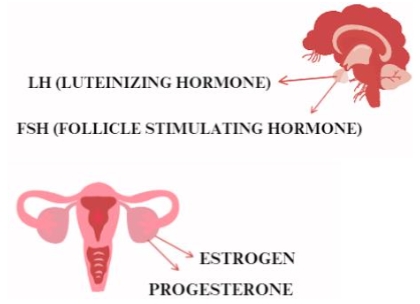
The menstrual cycle has attracted the interest of many researchers for many years. It is analyzed from many angles, including its impact on mental health. Hormonal changes over the course of the cycle have a very strong impact on the emotions, needs, or pain experienced. Estrogen, secreted shortly before ovulation, influences increased confidence and feelings of attractiveness, which can lead to new relationships. In contrast, progesterone, secreted during the luteal phase, promotes the strengthening of stable relationships, and a large proportion of women may experience premenstrual syndrome (PMS) during this time. This publication discusses studies from recent years that have assessed the variability of women’s needs and emerging symptoms during different phases of the cycle. It also summarizes any strategies and practical tips needed to work with women considering their cyclical variability.
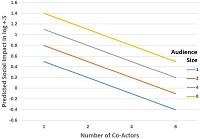
This experiment examined the influences of number of co-actors and audience size on manual dexterity task performance and subjective reactions such as perceived effort and arousal. Predictions derived from social impact theory and the self-attention perspective’s other-total ratio indicated that both number of co-actors and audience size should influence responses. Undergraduate students (N = 128) responded as 1, 2, 4, or 8 group members who were observed in counterbalanced fashion by 1, 2, 4, or 8 audience members for four performance trials. The predictions of increased task performance with larger audience sizes and decreased performance as number of co-actors increased were not supported. Participants’ rated arousal was somewhat consistent with the predictions from the self-attention perspective and social impact theory. Self-reported effort was consistent with the predicted patterns, but not always significantly so. The influence of number of others is moderated by the objective-subjective nature of responses of real co-actors performing in front of live audiences.
The level of research undertaken on the academic psychological contract, and its influence on academics’ behaviour is limited. This paper seeks to consider the academic psychological contract, by reviewing its manifestation within the role and the influence on their undertaking of the role. Particularly important is academics’ interpretation of the role and what they consider important. Within this, the paper considers in-role and extra-role activities and what may be the grey areas in which time is spent. The research adopts the combined usage of phenomenology with interpretivist processes to investigate the insights of eighteen academics at nine UK University Business Schools. Semi-structured interviews were used to collect data to consider the constructs’ manifestation. Key aspects of behaviour were identified as discretionary effort autonomy and managerialism, with links to academic citizenship.



 Open Access